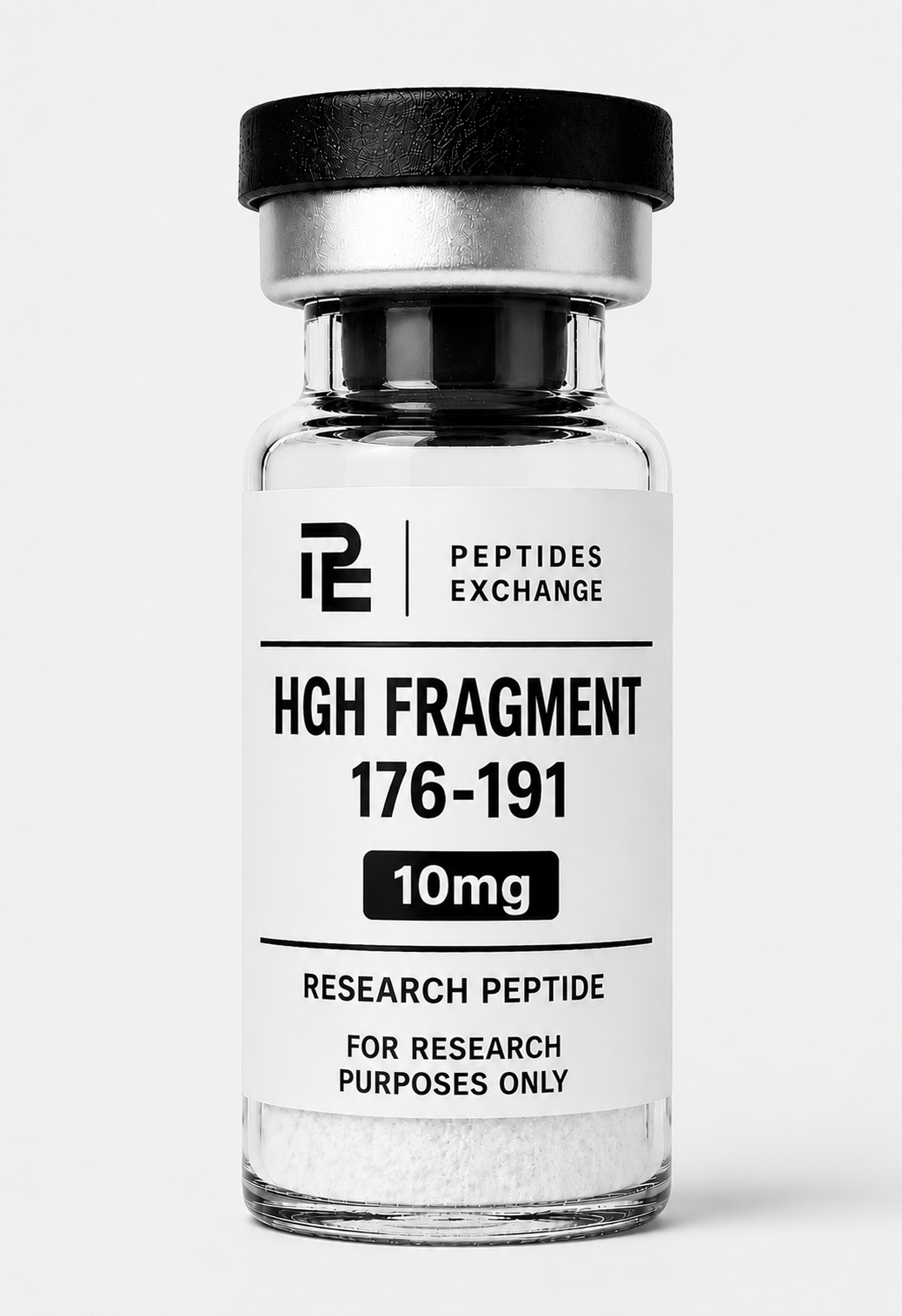
HGH Fragment 176-191
HGH Fragment 176-191 Research Peptide
HGH Fragment 176-191 is a synthetic peptide derived from the C-terminal region of human growth hormone, corresponding to amino acid positions 176 through 191 of the native HGH sequence. This 16-amino acid fragment isolates the lipolytic domain of the full-length growth hormone molecule, enabling targeted preclinical investigation of fat metabolism signaling pathways without the proliferative and insulin-desensitizing effects associated with intact HGH in research model systems.
HGH Fragment 176-191 — Mechanism of Action
HGH Fragment 176-191 exerts its biological activity through mechanisms distinct from full-length growth hormone receptor binding. Preclinical evidence indicates the fragment interacts with adipose tissue through pathways involving beta-3 adrenergic receptor modulation and hormone-sensitive lipase activation, stimulating lipolysis in fat cell preparations without engaging the IGF-1 axis. This selective activity profile allows researchers to decouple the lipolytic properties of growth hormone from its anabolic and mitogenic signaling components, providing a more targeted experimental tool for examining adipocyte metabolism and lipid mobilization dynamics in controlled laboratory systems.
HGH Fragment 176-191 — Research Background
Ng et al. (2000) conducted foundational characterization of the lipolytic activity associated with the C-terminal growth hormone fragment, establishing the mechanistic basis for subsequent preclinical investigation. Research published in biochemistry and endocrinology literature has documented HGH Fragment 176-191 effects on triglyceride hydrolysis, fatty acid oxidation, and adipocyte differentiation marker expression in cell culture models. Animal-based studies have further examined the fragment's influence on body composition parameters, documenting changes in adipose tissue distribution without corresponding effects on longitudinal bone growth or insulin sensitivity markers, distinguishing its preclinical profile from that of intact recombinant HGH. Additional in vitro work has explored the fragment's antioxidant properties and potential involvement in cartilage metabolism pathways in chondrocyte cell preparations.
HGH Fragment 176-191 — Product Specifications & Storage
Form: Lyophilized powder
Purity: ≥98%, verified by analytical HPLC
Identity Confirmation: Mass spectrometry
Reconstitution: Sterile bacteriostatic water or normal saline recommended; allow equilibration to room temperature prior to use
Storage: −20°C optimal; protected from light and moisture
Post-Reconstitution Stability: 48–72 hours at 4°C; repeated freeze-thaw cycles should be avoided to preserve peptide integrity
Research Use Only
HGH Fragment 176-191 is designated exclusively for preclinical and in vitro laboratory research applications. It is not approved for human use, therapeutic administration, or clinical investigation outside of regulated institutional oversight. All research protocols must conform to applicable institutional guidelines, animal care regulations, and biosafety procedures governing the handling of synthetic peptide research compounds.
